Risk Factors for Running Injuries

Running places repeated force through the feet and ankles, and several risk factors can lead to injury in these areas. Blisters form when the foot slides inside the shoe, and shin pain often develops when the muscles and tendons along the lower leg are strained. Hard surfaces, poor technique like running flat-footed, and wearing shoes with inadequate support can increase the chance of foot and ankle injury. Runners who push beyond their current fitness level may experience tendon irritation, stress fractures, or ligament strain. Uneven trails, loose sand, and wearing flip-flops before or after a run can also affect safety. A podiatrist can assess foot posture, examine worn shoe patterns, and recommend supportive gear. This foot doctor can also prescribe custom orthotics and guide recovery if surgery is necessary. If you are experiencing foot or ankle pain after running, it is suggested that you schedule an appointment with a podiatrist for a diagnosis and appropriate treatment.

Exercising your feet regularly with the proper foot wear is a great way to prevent injuries. If you have any concerns about your feet, contact Dr. Christine Quinn of New Jersey. Our doctor will treat your foot and ankle needs.

How to Prevent Running Injuries

Many common running injuries are caused by overuse and overtraining. When the back of the kneecap starts wearing out and starts causing pain in your knee, this is commonly referred to as runner’s knee. Runner’s knee is a decrease in strength in your quadriceps and can occur if you’re not wearing properly fitted or supporting shoes. To prevent runner’s knee, focusing on hip strengthening is a good idea, as well as strengthening your quads to keep the kneecaps aligned.

What Are Some Causes of Running Injuries? 
- One cause of a common running injury is called iliotibial band syndrome.
- Plantar fasciitis is also another common injury.
- Stress fractures can occur from overtraining, lack of calcium, or even your running style.

Best Ways to Prevent Running Injuries
- Wear footwear that fits properly and suits your running needs.
- Running shoes are the only protective gear that runners have to safeguard them from injury.
- Make a training schedule. Adding strengthening exercises as well as regular stretching can help keep you strong and limber and can lessen the possibility of injuries.
- Stretching keeps muscles limber; this will help you gain better flexibility.

If you have any questions, please feel free to contact our office located in Basking Ridge, NJ, near Warren, Stirling, and Bedminster . We offer the newest diagnostic and treatment technologies for all your foot care needs.

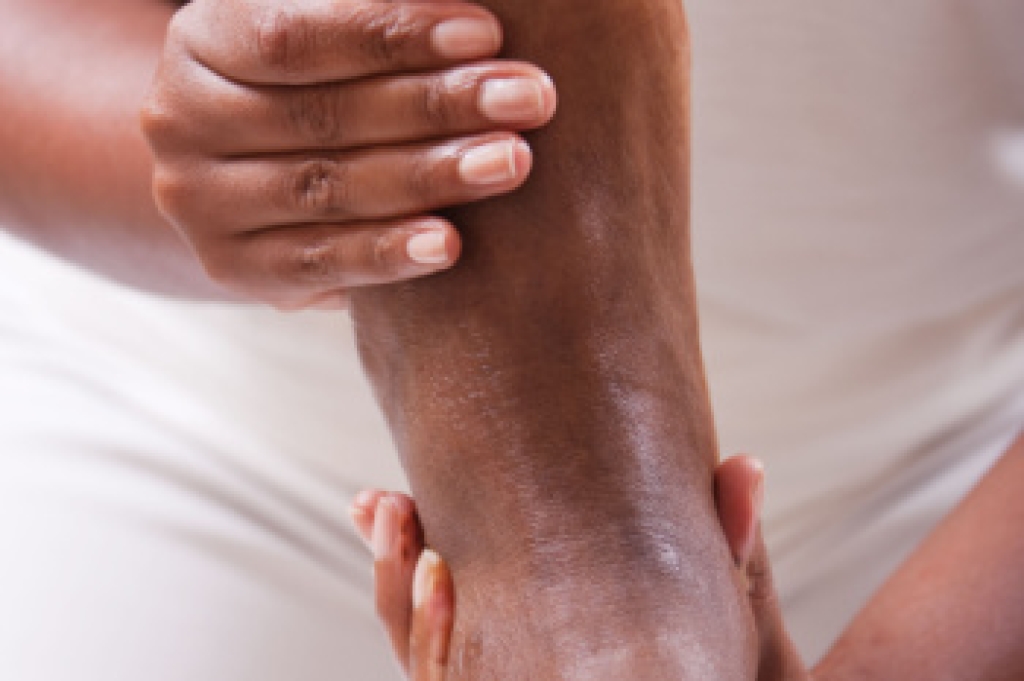
Read more about How to Prevent Running Injuries

Staying Safe at Work by Preventing Falls

Preventing falls at work begins with choosing the right footwear that offers support, grip, and a secure fit to keep you steady throughout the day. Being aware of surfaces is also important because wet floors, uneven ground, or loose rugs can increase the risk of slipping. Keeping work areas clean and free of clutter helps create a safer environment and reduces hazards that may go unnoticed during a busy day. A podiatrist can evaluate your foot structure, recommend supportive shoes or custom orthotics, and address any pain or balance issues that may increase your risk of falling. If you have sustained a foot or ankle injury from falling, it is suggested that you consult a podiatrist who can treat various foot conditions, and guide you on additional fall prevention tips.

Preventing falls among the elderly is very important. If you are older and have fallen or fear that you are prone to falling, consult with Dr. Christine Quinn from New Jersey. Our doctor will assess your condition and provide you with quality advice and care.

Every 11 seconds, an elderly American is being treated in an emergency room for a fall related injury. Falls are the leading cause of head and hip injuries for those 65 and older. Due to decreases in strength, balance, senses, and lack of awareness, elderly persons are very susceptible to falling. Thankfully, there are a number of things older persons can do to prevent falls.

How to Prevent Falls

Some effective methods that older persons can do to prevent falls include:

  • Enrolling in strength and balance exercise program to increase balance and strength
  • Periodically having your sight and hearing checked
  • Discuss any medications you have with a doctor to see if it increases the risk of falling
  • Clearing the house of falling hazards and installing devices like grab bars and railings
  • Utilizing a walker or cane
  • Wearing shoes that provide good support and cushioning
  • Talking to family members about falling and increasing awareness

Falling can be a traumatic and embarrassing experience for elderly persons; this can make them less willing to leave the house, and less willing to talk to someone about their fears of falling. Doing such things, however, will increase the likelihood of tripping or losing one’s balance. Knowing the causes of falling and how to prevent them is the best way to mitigate the risk of serious injury.  

If you have any questions, please feel free to contact our office located in Basking Ridge, NJ, near Warren, Stirling, and Bedminster . We offer the newest diagnostic and treatment technologies for all your foot care needs.

Read more about Falls Prevention

Steps Toward More Comfortable Movement

Reliable mobility depends on feet that feel supported, flexible, and free of irritation. Caring for the skin, monitoring nail health, and selecting footwear that matches your activity level all play a role in keeping each step steady. Light stretching for the toes, heels, and ankles can enhance flexibility, while addressing small concerns early prevents soreness that may interrupt daily routines. Conditions such as calluses, cracked skin, fungal infections, and numbness can gradually make walking less comfortable if they are ignored. Many adults also benefit from routine foot evaluations, which help identify changes that may interfere with balance or endurance. When the feet stay comfortable, staying active becomes far easier. If you notice persistent discomfort or difficulty with walking, it is suggested that you schedule an appointment with a podiatrist for personalized care.

Everyday foot care is very important to prevent infection and other foot ailments. If you need your feet checked, contact Dr. Christine Quinn from New Jersey. Our doctor can provide the care you need to keep you pain-free and on your feet.

Everyday Foot Care

Often, people take care of their bodies, face and hair more so than they do for their feet. But the feet are a very important aspect of our bodies, and one that we should pay more attention to. Without our feet, we would not be able to perform most daily tasks.

It is best to check your feet regularly to make sure there are no new bruises or cuts that you may not have noticed before. For dry feet, moisturizer can easily be a remedy and can be applied as often as necessary to the affected areas. Wearing shoes that fit well can also help you maintain good foot health, as well as making it easier to walk and do daily activities without the stress or pain of ill-fitting shoes, high heels, or even flip flops. Wearing clean socks with closed shoes is important to ensure that sweat and bacteria do not accumulate within the shoe. Clean socks help to prevent Athlete’s foot, fungi problems, bad odors, and can absorb sweat.

If you have any questions, please feel free to contact our office located in Basking Ridge, NJ, near Warren, Stirling, and Bedminster . We offer the newest diagnostic and treatment technologies for all your foot care needs.
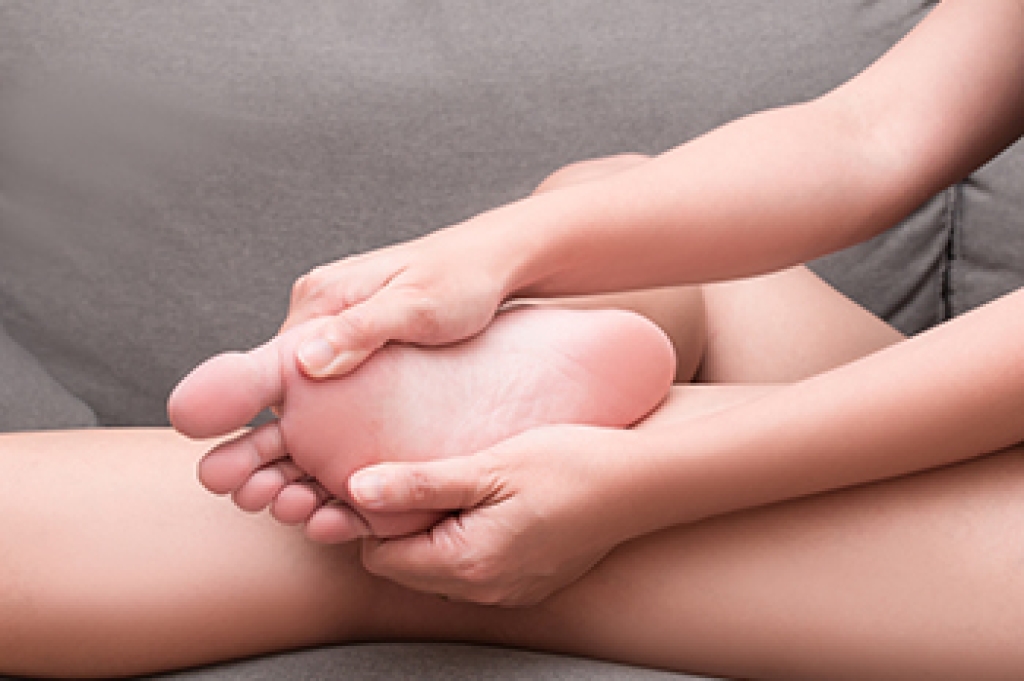
Read more about Everyday Foot Care

It's Time for Beautiful Feet

You don't need an excuse to have beautiful nails. Step outside without worrying about the appearance of your feet.

Understanding Sesamoiditis and Why It Hurts So Much

Sesamoiditis is a painful inflammation of the tiny sesamoid bones located beneath the big toe joint. These small bones act like pulleys, helping the tendons move smoothly and absorb pressure with every step. When they become irritated from overuse, repetitive impact, or increased activity on hard surfaces, pain develops directly under the big toe. Many people describe a deep ache or sharp discomfort that worsens when pushing off the toe while walking. Swelling, tenderness, and difficulty bending the big toe are common signs. Dancers, runners, people with high arches, and anyone who spends long hours on their feet are more prone to this condition. Without proper care, symptoms can progress and interfere with daily movement. Rest, wearing supportive footwear, and targeted treatments can provide relief. If you notice persistent pain beneath your big toe or difficulty bearing weight, it is suggested that you see a podiatrist for an evaluation and personalized treatment.

Sesamoiditis is an unpleasant foot condition characterized by pain in the balls of the feet. If you think you’re struggling with sesamoiditis, contact Dr. Christine Quinn of New Jersey. Our doctor will treat your condition thoroughly and effectively.

Sesamoiditis

Sesamoiditis is a condition of the foot that affects the ball of the foot. It is more common in younger people than it is in older people. It can also occur with people who have begun a new exercise program, since their bodies are adjusting to the new physical regimen. Pain may also be caused by the inflammation of tendons surrounding the bones. It is important to seek treatment in its early stages because if you ignore the pain, this condition can lead to more serious problems such as severe irritation and bone fractures.

Causes of Sesamoiditis

  • Sudden increase in activity
  • Increase in physically strenuous movement without a proper warm up or build up
  • Foot structure: those who have smaller, bonier feet or those with a high arch may be more susceptible

Treatment for sesamoiditis is non-invasive and simple. Doctors may recommend a strict rest period where the patient forgoes most physical activity. This will help give the patient time to heal their feet through limited activity. For serious cases, it is best to speak with your doctor to determine a treatment option that will help your specific needs.

If you have any questions, please feel free to contact our office located in Basking Ridge, NJ, near Warren, Stirling, and Bedminster . We offer the newest diagnostic and treatment technologies for all your foot care needs.

Read more about Sesamoiditis

Connect With Us