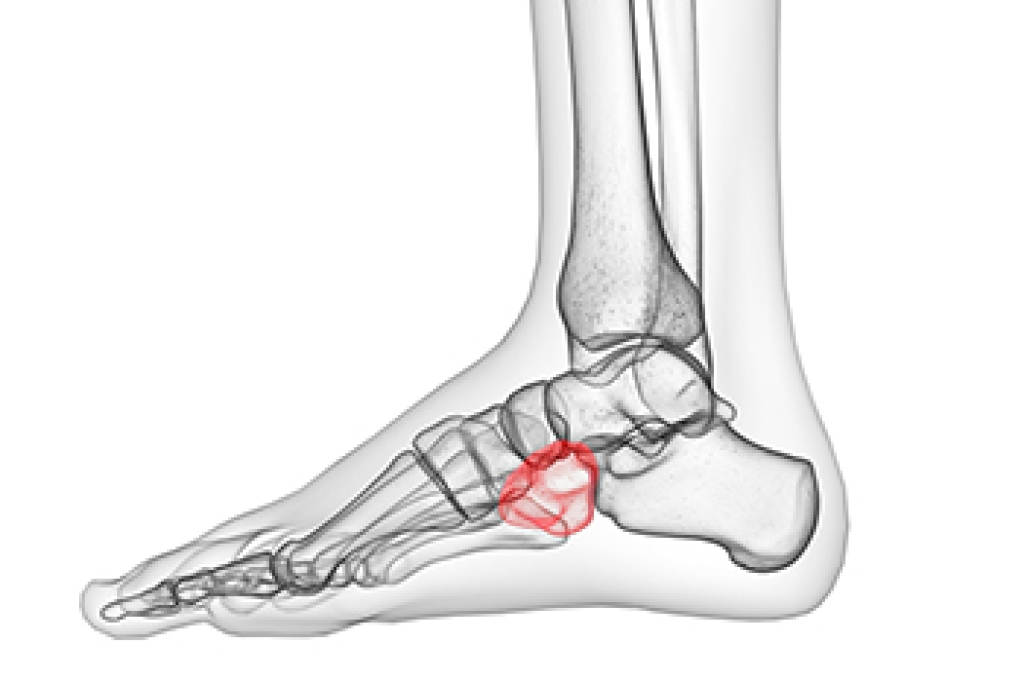
Cuboid Injuries and Foot Pain

The cuboid is a small bone on the outer side of the foot. Injuries involving it can cause significant pain, and are not always the same problem. Some people develop stress fractures from repeated impact during running or sports, while others injure the area during an ankle twist that affects the joints surrounding the bone. Direct trauma, such as dropping something heavy on the foot, can also lead to bruising or fracture. Pain is often felt along the outer edge foot, especially with walking, standing, or pushing off. Because these injuries can resemble ankle sprains, tendon problems, or general foot strain, proper diagnosis is important. A podiatrist can examine the foot, assess stability, and order imaging when needed, to identify the exact injury and guide treatment. If you have ongoing pain on the outer side of your foot, it is suggested that you visit a podiatrist for a diagnosis and appropriate treatment.

Cuboid syndrome, also known as cuboid subluxation, occurs when the joints and ligaments near the cuboid bone in the foot become torn. If you have cuboid syndrome, consult with Dr. Christine Quinn from New Jersey. Our doctor will assess your condition and provide you with quality foot and ankle treatment.

Cuboid syndrome is a common cause of lateral foot pain, which is pain on the outside of the foot. The condition may happen suddenly due to an ankle sprain, or it may develop slowly overtime from repetitive tension through the bone and surrounding structures.

Causes

The most common causes of cuboid syndrome include:

  • Injury – The most common cause of this ailment is an ankle sprain.
  • Repetitive Strain – Tension placed through the peroneus longus muscle from repetitive activities such as jumping and running may cause excessive traction on the bone causing it to sublux.
  • Altered Foot Biomechanics – Most people suffering from cuboid subluxation have flat feet.

Symptoms

A common symptom of cuboid syndrome is pain along the outside of the foot which can be felt in the ankle and toes. This pain may create walking difficulties and may cause those with the condition to walk with a limp.

Diagnosis

Diagnosis of cuboid syndrome is often difficult, and it is often misdiagnosed. X-rays, MRIs and CT scans often fail to properly show the cuboid subluxation. Although there isn’t a specific test used to diagnose cuboid syndrome, your podiatrist will usually check if pain is felt while pressing firmly on the cuboid bone of your foot.

Treatment

Just as the range of causes varies widely, so do treatments. Some more common treatments are ice therapy, rest, exercise, taping, and orthotics.

If you have any questions, please feel free to contact our office located in Basking Ridge, NJ, near Warren, Stirling, and Bedminster . We offer the newest diagnostic and treatment technologies for all your foot care needs.
Read more about Cuboid Syndrome

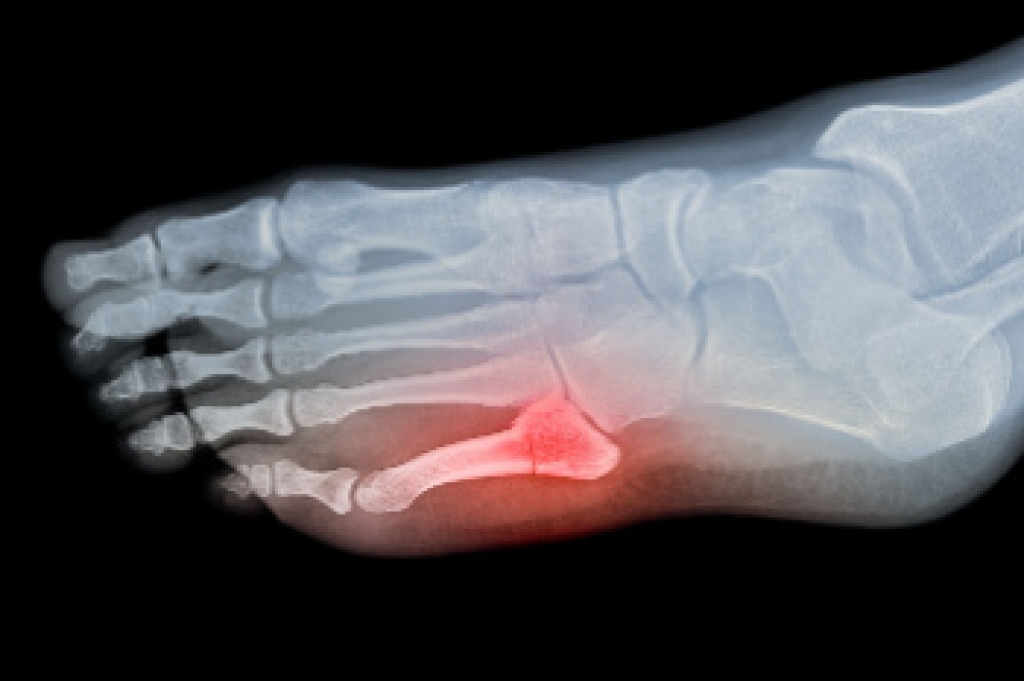
Facts About Avulsion Foot Fractures

An avulsion fracture in the foot occurs when a strong pull from a tendon or ligament causes a small piece of bone to separate from the main bone. An avulsion fracture often happens during quick movements, such as twisting the foot or rolling the ankle. It is common among football players, ballet dancers, gymnasts, and skiers. Symptoms include sudden pain at the time of injury, followed by swelling, bruising, and trouble putting weight on the foot. An avulsion fracture often affects the outer edge of the foot or the heel. A podiatrist can evaluate the injury by examining the foot and ordering imaging studies to confirm the location and severity. Care includes protecting the injured area, reducing pressure, and prescribing devices that keep the foot stable. If you have symptoms of an avulsion foot fracture, it is suggested that you schedule an appointment with a podiatrist for a diagnosis and appropriate treatment.

A broken foot requires immediate medical attention and treatment. If you need your feet checked, contact Dr. Christine Quinn from New Jersey. Our doctor can provide the care you need to keep you pain-free and on your feet.

Broken Foot Causes, Symptoms, and Treatment

A broken foot is caused by one of the bones in the foot typically breaking when bended, crushed, or stretched beyond its natural capabilities. Usually the location of the fracture indicates how the break occurred, whether it was through an object, fall, or any other type of injury. 

Common Symptoms of Broken Feet:

  • Bruising
  • Pain
  • Redness
  • Swelling
  • Blue in color
  • Numbness
  • Cold
  • Misshapen
  • Cuts
  • Deformities

Those that suspect they have a broken foot shoot seek urgent medical attention where a medical professional could diagnose the severity.

Treatment for broken bones varies depending on the cause, severity and location. Some will require the use of splints, casts or crutches while others could even involve surgery to repair the broken bones. Personal care includes the use of ice and keeping the foot stabilized and elevated.

If you have any questions, please feel free to contact our office located in Basking Ridge, NJ, near Warren, Stirling, and Bedminster . We offer the newest diagnostic and treatment technologies for all your foot care needs.

Read more about Causes, Symptoms, and Treatment for a Broken Foot

Changes in Toenail Health

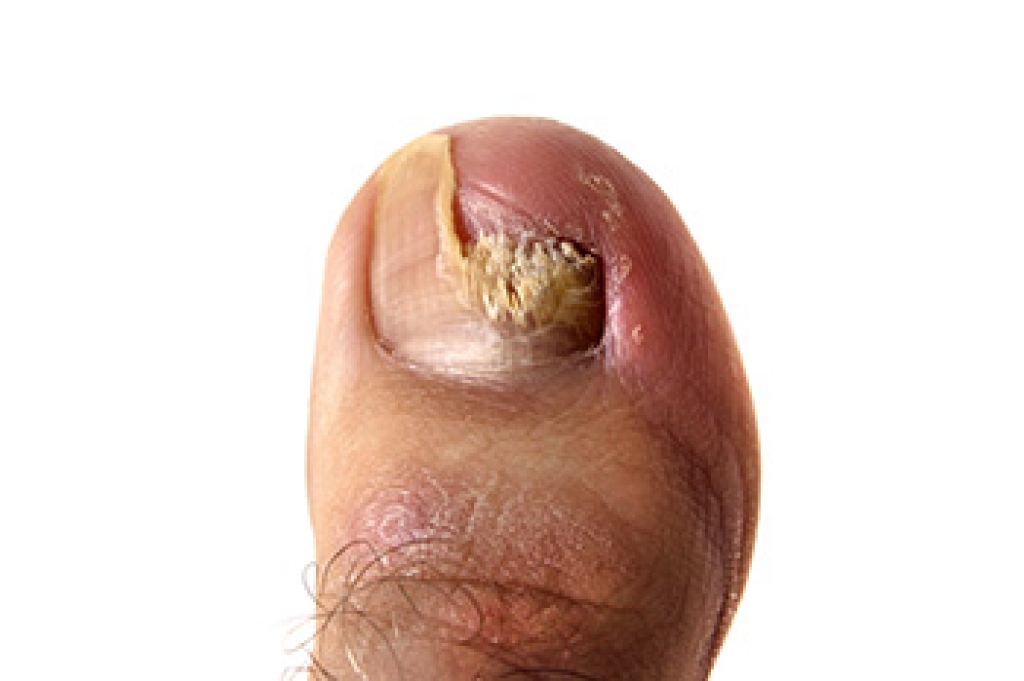
Toenail issues can develop for several reasons related to infection, nail growth patterns, or injury to the nail unit. The toenail helps protect the tip of the toe and supports balance while walking, but problems can affect both appearance and comfort. Common causes include fungal infections, ingrown toenails where the nail grows into the surrounding skin, and trauma from repetitive pressure or direct impact. Nails may become thick, discolored, brittle, or misshapen. The surrounding skin may appear red, swollen, or tender. In some cases, the nail may lift or develop drainage if infection is present. A podiatrist can evaluate the nail through examination to determine the underlying cause. Treatment options include antifungal medications, proper nail trimming techniques, minor procedures for ingrown nails, and guidance on footwear to prevent further irritation. If you are experiencing toenail issues, it is suggested that you schedule an appointment with a podiatrist for expert advice and guidance.

If left untreated, toenail fungus may spread to other toenails, skin, or even fingernails. If you suspect you have toenail fungus it is important to seek treatment right away. For more information about treatment, contact Dr. Christine Quinn of New Jersey. Our doctor can provide the care you need to keep you pain-free and on your feet.

Symptoms

  • Warped or oddly shaped nails
  • Yellowish nails
  • Loose/separated nail
  • Buildup of bits and pieces of nail fragments under the nail
  • Brittle, broken, thickened nail

Treatment

If self-care strategies and over-the-counter medications does not help your fungus, your podiatrist may give you a prescription drug instead. Even if you find relief from your toenail fungus symptoms, you may experience a repeat infection in the future.

Prevention

In order to prevent getting toenail fungus in the future, you should always make sure to wash your feet with soap and water. After washing, it is important to dry your feet thoroughly especially in between the toes. When trimming your toenails, be sure to trim straight across instead of in a rounded shape. It is crucial not to cover up discolored nails with nail polish because that will prevent your nail from being able to “breathe”.

In some cases, surgical procedure may be needed to remove the toenail fungus. Consult with your podiatrist about the best treatment options for your case of toenail fungus.  

If you have any questions please contact our office located in Basking Ridge, NJ, near Warren, Stirling, and Bedminster . We offer the newest diagnostic and treatment technologies for all your foot and ankle needs.

Read more about Treating Toenail Fungus

Are Bunions Affecting Your Everyday Life?

Have you noticed a bony protrusion on the side of your big toe? If so, you may have developed the foot condition known as a bunion. Don't let bunions interfere with your daily activities.

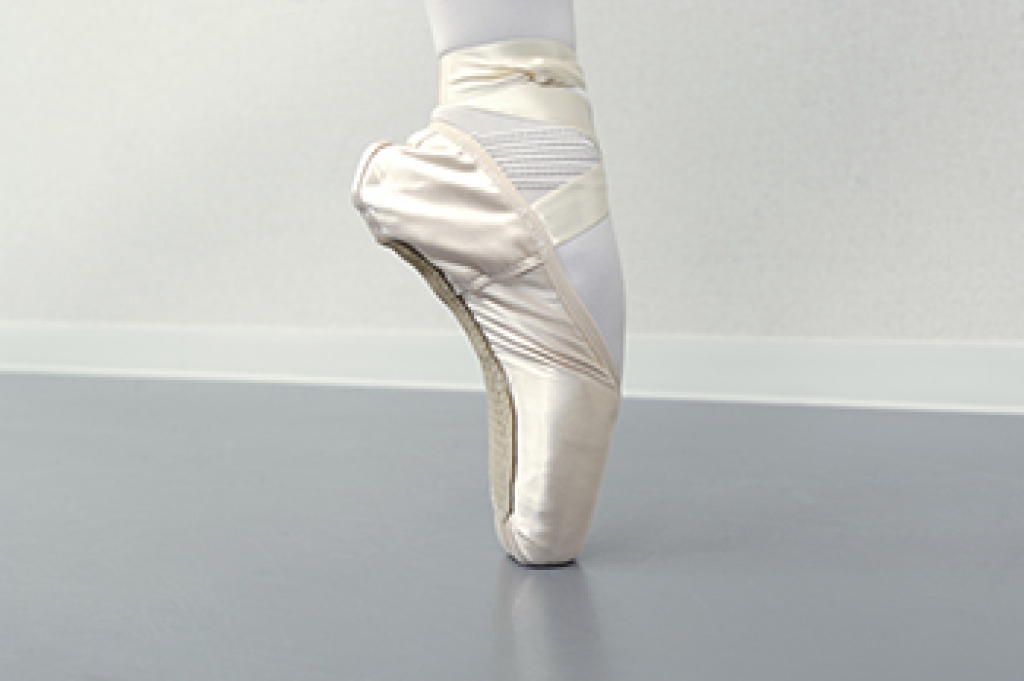
How Ballet Can Aggravate Bunions

A bunion is a bony bump that forms at the base of the big toe when the joint shifts out of alignment. Bunions can lead to pain, swelling, and difficulty with footwear. Ballet can place significant stress on this area, especially during movements that require standing on the toes or working in tight, structured shoes. The pressure from pointe work and repetitive strain can worsen the deformity over time. Limited space in ballet shoes may also increase friction and discomfort around the joint. Dancers often continue training despite early symptoms, which can lead to increased irritation and progression of the condition. Proper footwear fitting, strength exercises, and early management can help reduce strain. If pain or changes in foot shape develop, it is suggested that you consult a podiatrist who can help manage symptoms, and support long-term foot health while continuing to dance.

If you are suffering from bunion pain, contact Dr. Christine Quinn of New Jersey. Our doctor can provide the care you need to keep you pain-free and on your feet.

What Is a Bunion?

Bunions are painful bony bumps that usually develop on the inside of the foot at the joint of the big toe. As the deformity increases over time, it may become painful to walk and wear shoes. Women are more likely to exacerbate existing bunions since they often wear tight, narrow shoes that shift their toes together. Bunion pain can be relieved by wearing wider shoes with enough room for the toes.

Causes

  • Genetics – some people inherit feet that are more prone to bunion development
  • Inflammatory Conditions - rheumatoid arthritis and polio may cause bunion development

Symptoms

  • Redness and inflammation
  • Pain and tenderness
  • Callus or corns on the bump
  • Restricted motion in the big toe

In order to diagnose your bunion, your podiatrist may ask about your medical history, symptoms, and general health. Your doctor might also order an x-ray to take a closer look at your feet. Nonsurgical treatment options include orthotics, padding, icing, changes in footwear, and medication. If nonsurgical treatments don’t alleviate your bunion pain, surgery may be necessary.

If you have any questions, please feel free to contact our office located in Basking Ridge, NJ, near Warren, Stirling, and Bedminster . We offer the newest diagnostic and treatment technologies for all your foot care needs.
Read more about Bunions

Connect With Us