
What to Know About a Broken Foot

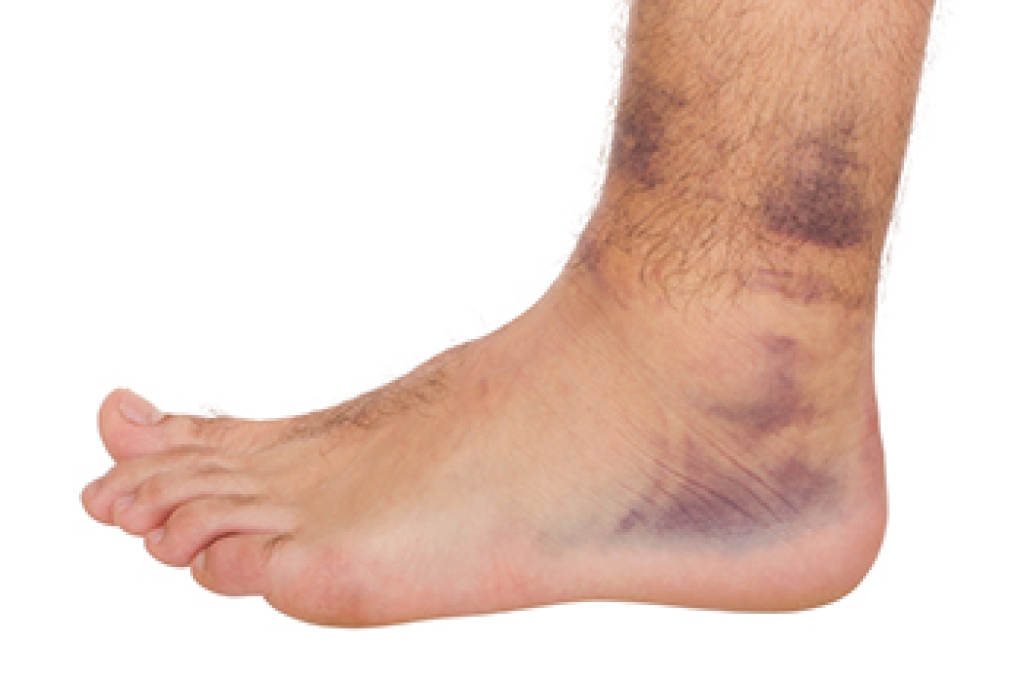
A broken foot occurs when one or more of the bones in the foot fracture. Because the foot contains many small bones that work together to support body weight and movement, a fracture can significantly affect mobility. A broken foot may result from a fall, sports injury, motor vehicle accident, or repetitive stress placed on the bones over time. Common broken foot symptoms include foot pain, swelling, bruising, tenderness, and difficulty walking. Some people may also notice that the foot appears misshapen or that putting weight on it becomes extremely painful. Since foot fractures can vary in severity, obtaining an accurate diagnosis is important for determining the most effective treatment.


Not all broken foot injuries are the same. Some fractures involve a small crack in the bone, while others may cause the bone to shift out of position. In certain cases, a broken foot can be mistaken for a severe sprain because the symptoms are similar. However, untreated foot fractures may lead to ongoing pain, improper healing, reduced mobility, or long-term foot problems. Imaging studies such as X-rays are often used to confirm the diagnosis and identify the location of the fracture. Early evaluation is important because prompt treatment can help support proper healing and reduce the risk of complications.


A podiatrist is a foot and ankle specialist who is trained to diagnose and treat broken foot injuries. During an evaluation, a podiatrist will examine the foot, review symptoms, and assess imaging results to develop an appropriate treatment plan. Depending on the type and severity of the fracture, treatment may involve immobilization, protective devices, fracture management, or surgical care when necessary. Follow-up visits are often important to monitor healing and restore foot function. Seeking timely podiatric care can help improve recovery and reduce the likelihood of future complications. If you are experiencing foot pain, swelling, bruising, or difficulty walking after an injury, it is suggested that you consult a podiatrist for an evaluation and appropriate treatment options.

A broken foot requires immediate medical attention and treatment. If you need your feet checked, contact Dr. Christine Quinn from New Jersey. Our doctor can provide the care you need to keep you pain-free and on your feet.

Broken Foot Causes, Symptoms, and Treatment

A broken foot is caused by one of the bones in the foot typically breaking when bended, crushed, or stretched beyond its natural capabilities. Usually the location of the fracture indicates how the break occurred, whether it was through an object, fall, or any other type of injury. 

Common Symptoms of Broken Feet:

  • Bruising
  • Pain
  • Redness
  • Swelling
  • Blue in color
  • Numbness
  • Cold
  • Misshapen
  • Cuts
  • Deformities

Those that suspect they have a broken foot shoot seek urgent medical attention where a medical professional could diagnose the severity.

Treatment for broken bones varies depending on the cause, severity and location. Some will require the use of splints, casts or crutches while others could even involve surgery to repair the broken bones. Personal care includes the use of ice and keeping the foot stabilized and elevated.

If you have any questions, please feel free to contact our office located in Basking Ridge, NJ, near Warren, Stirling, and Bedminster . We offer the newest diagnostic and treatment technologies for all your foot care needs.


Read more about Causes, Symptoms, and Treatment for a Broken Foot

Why Foot Exams Matter in Older Adults

Foot health plays an important role in overall mobility, safety, and independence as people age. Changes in the feet can affect balance, walking stability, and the risk of falls, making foot evaluation an important part of care for older adults. Problems such as thickened nails, poorly maintained skin, pressure areas, or untreated pain may signal more than a foot issue alone. These findings can sometimes suggest reduced mobility, declining strength, difficulty with self-care, or increasing frailty. In some cases, they may also reflect that a caregiver is struggling to keep up with daily care needs. A focused foot examination can help identify concerns early and guide treatment before more serious complications develop. Addressing foot problems may improve comfort, function, and safety. If you are an older adult, or caring for one, and foot discomfort, balance changes, or difficulty with walking persist, it is suggested that you visit a podiatrist for a comprehensive evaluation.

Proper foot care is something many older adults forget to consider. If you have any concerns about your feet and ankles, contact Dr. Christine Quinn from New Jersey. Our doctor can provide the care you need to keep you pain-free and on your feet.

The Elderly and Their Feet

As we age we start to notice many changes in our body, but the elder population may not notice them right away. Medical conditions may prevent the elderly to take notice of their foot health right away. Poor vision is a lead contributor to not taking action for the elderly.

Common Conditions 

  • Neuropathy – can reduce feeling in the feet and can hide many life-threatening medical conditions.
  • Reduced flexibility – prevents the ability of proper toenail trimming, and foot cleaning. If left untreated, it may lead to further medical issues.
  • Foot sores – amongst the older population can be serious before they are discovered. Some of the problematic conditions they may face are:
  • Gouging toenails affecting nearby toe
  • Shoes that don’t fit properly
  • Pressure sores
  • Loss of circulation in legs & feet
  • Edema & swelling of feet and ankles

Susceptible Infections

Diabetes and poor circulation can cause general loss of sensitivity over the years, turning a simple cut into a serious issue.

If you have any questions, please feel free to contact our office located in Basking Ridge, NJ, near Warren, Stirling, and Bedminster . We offer the newest diagnostic and treatment technologies for all your foot care needs.

Read more about Geriatrics and Podiatry

What Causes an Ingrown Toenail?

An ingrown toenail develops when the nail edge presses into the nearby skin instead of growing straight out. It often begins with mild tenderness and redness along the side of the nail, then can progress to swelling, warmth, and pain while walking or wearing shoes. Causes include trimming nails too short, rounding the edges, wearing tight shoes, or sustaining a toe injury. Some people are more prone to this condition due to curved nails, thick nails, or genetic factors. Risk also increases in people with diabetes or poor circulation. A podiatrist can treat the problem by carefully removing the ingrown section, easing pressure, and preventing infection. They can also correct recurring issues with minor procedures that guide healthier nail growth. If you have symptoms of an ingrown toenail, it is suggested that you seek care from a podiatrist.

Ingrown toenails can become painful if they are not treated properly. For more information about ingrown toenails, contact Dr. Christine Quinn of New Jersey. Our doctor can provide the care you need to keep you pain-free and on your feet.

Ingrown Toenails

Ingrown toenails occur when a toenail grows sideways into the bed of the nail, causing pain, swelling, and possibly infection.

Causes

  • Bacterial infections
  • Improper nail cutting such as cutting it too short or not straight across
  • Trauma to the toe, such as stubbing, which causes the nail to grow back irregularly
  • Ill-fitting shoes that bunch the toes too close together
  • Genetic predisposition

Prevention

Wearing proper fitting shoes and using proper cutting techniques will also help decrease your risk of developing ingrown toenails.

Treatment

Ingrown toenails are a very treatable foot condition. In minor cases, soaking the affected area in salt or antibacterial soaps will not only help with the ingrown nail itself, but also help prevent any infections from occurring. In more severe cases, surgery is an option. In either case, speaking to your podiatrist about this condition will help you get a better understanding of specific treatment options that are right for you.

If you have any questions, please feel free to contact our office located in Basking Ridge, NJ, near Warren, Stirling, and Bedminster . We offer the newest diagnostic and treatment technologies for all your foot care needs.
Read more about Ingrown Toenails

Gout Pain Can Be Managed

Gout is a painful, inflammatory form of arthritis. Those affected will typically feel an intense stiffness in the joints of their feet, particularly in the big toe. Schedule a visit to learn about how gout can be managed and treated.

Smart Treatment For Ankle Sprains

An ankle sprain happens when the ligaments that support the ankle are stretched or torn, often after the foot twists awkwardly during walking, sports, or a misstep. While many people assume they should simply rest and wait, proper treatment can help recovery move along more safely. A podiatrist may use specific examination guidelines to decide whether imaging is needed to rule out a fracture. Treatment often includes measures to reduce swelling and discomfort, hands-on techniques to improve joint movement, and supportive bracing or wrapping to protect the ankle while it heals. In many cases, gentle walking is encouraged sooner rather than keeping the ankle completely still for too long, since controlled movement can support recovery. Short-term protection combined with the right treatment plan can help restore strength and stability. If you have ankle pain, swelling, or trouble walking after an injury, it is strongly suggested that you visit a podiatrist for appropriate treatment solutions.

Ankle sprains are common but need immediate attention. If you need your feet checked, contact Dr. Christine Quinn from New Jersey. Our doctor can provide the care you need to keep you pain-free and on your feet.

How Does an Ankle Sprain Occur?

Ankle sprains take place when the ligaments in your ankle are torn or stretched beyond their limits. There are multiple ways that the ankle can become injured, including twisting or rolling over onto your ankle, putting undue stress on it, or causing trauma to the ankle itself.

What Are the Symptoms?

  • Mild to moderate bruising
  • Limited mobility
  • Swelling
  • Discoloration of the skin (depending on severity)

Preventing a Sprain

  • Wearing appropriate shoes for the occasion
  • Stretching before exercises and sports
  • Knowing your limits

Treatment of a Sprain

Treatment of a sprain depends on the severity.  Many times, people are told to rest and remain off their feet completely, while others are given an air cast. If the sprain is very severe, surgery may be required.

If you have suffered an ankle sprain previously, you may want to consider additional support such as a brace and regular exercises to strengthen the ankle.

If you have any questions please feel free to contact our office located in Basking Ridge, NJ, near Warren, Stirling, and Bedminster . We offer the newest diagnostic tools and technology to treat your foot and ankle needs.

Read more about Three Grades of Ankle Sprains

Connect With Us